
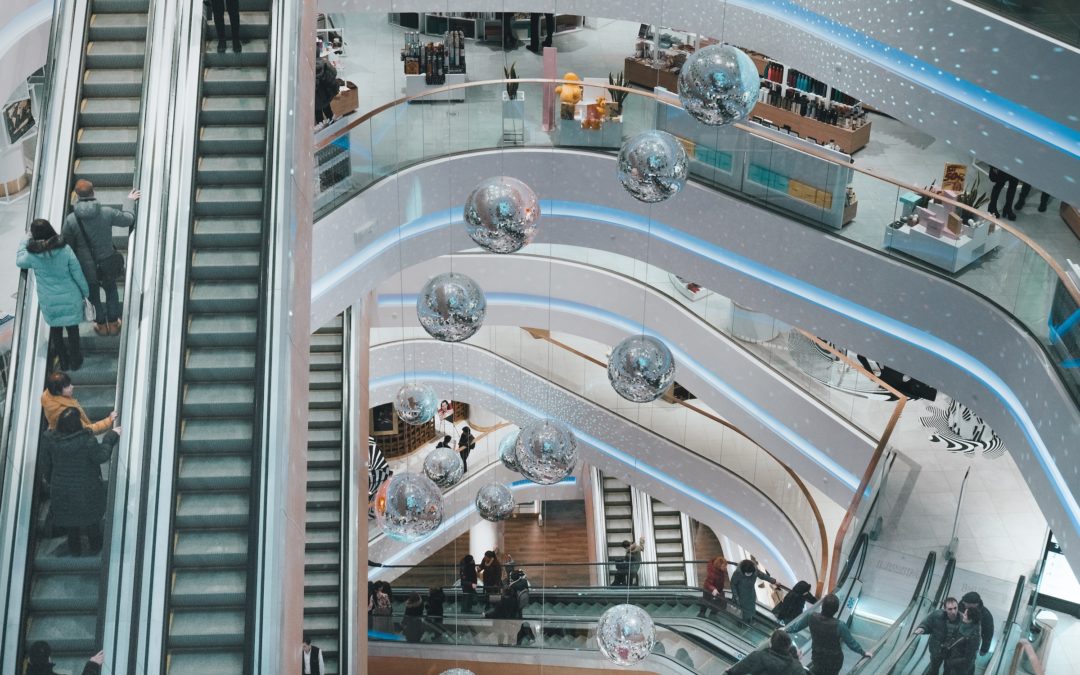
The retail sector is undergoing a massive transformation thanks to the convergence of technology and commerce. In the past, the retail industry was dominated by brick-and-mortar stores, but this landscape has changed dramatically with the rise of digital platforms. The rise of e-commerce, growing consumer demand for personalization, the need for operational efficiency, and ever-increasing competition make adapting to the digital age essential for retailers.
As retailers seek ways to overcome these challenges, artificial intelligence (AI) has emerged as a key technology. Through specific algorithms, AI enables retailers to offer personalized experiences to their customers, optimize operations, and make data-driven decisions.
As experts in digital transformation, we describe the ten key algorithms that every business in the retail world should consider:
- Demand forecasting algorithms: These use historical data to predict future sales trends. This helps retailers anticipate demand and manage their inventories effectively.
- Next-best-offer recommendation algorithms: These provide customers with personalized suggestions based on their purchase history and browsing behavior.
- Price optimization algorithms: These algorithms analyze competitor information, demand, and other factors to determine optimal product prices.
- Sentiment analysis algorithms: These analyze customer comments on social media and other online forums to identify opinions and trends.
- Inventory management algorithms: These help to forecast demand for specific products, optimizing the amount of stock to be held.
- Fraud identification algorithms: These detect abnormal and potentially fraudulent behavior, helping to prevent losses.
- ChatBot algorithms and virtual assistance: They provide customer support 24/7, answering frequently asked questions and helping with purchasing decisions.
- Customer segmentation algorithms: These group customers into categories based on their characteristics and behavior, enabling more targeted and effective marketing campaigns.
- Image recognition algorithms: Used in augmented reality applications to allow customers to "try on" products virtually.
- Supply chain planning algorithms: These optimize logistics and distribution based on sales data and external factors.
At BRAINTRUST, we can deliver these algorithms under the "AI as a service" model, enabling the rapid introduction of these tools into the organization, developing "augmented intelligence" cells, and offering immense potential to revolutionize the retail industry.
Incorporating this philosophy helps merchants improve operational efficiency, personalize the customer experience, and make more informed decisions.
As we move forward, retailers who effectively adopt and implement these services will be better equipped to thrive in the ever-competitive and rapidly changing sector.
Photo by Viktor Bystrov on Unsplash