
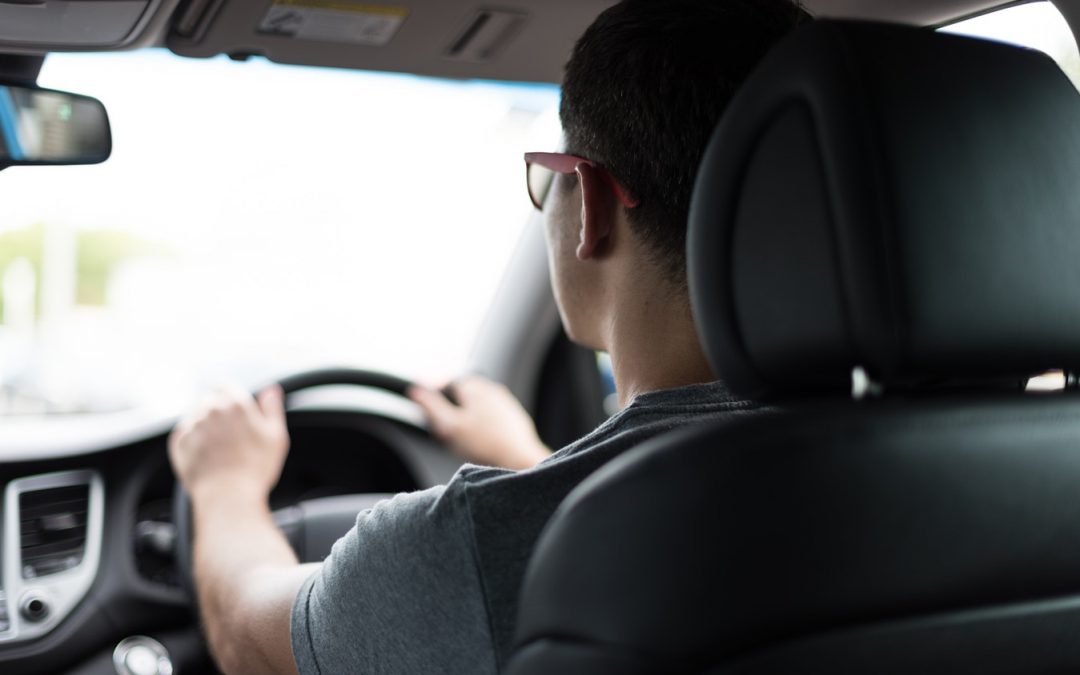
There are many unknowns and doubts that arise when buying a car. Diesel or gasoline? Are electric or hybrid cars really worth it? Will I be able to drive this car into the city center in two years? Does it make sense to own a car when there are already car-sharing options available?
The consulting firm BRAINTRUST has conducted a quantitative and qualitative study to analyze and better understand consumers' motives and preferences when buying a car. The automotive sector is facing new trends and consumption habits on the part of society and the global market itself, in which new technologies (autonomous cars) and sustainability (reduction of emissions and depletion of fossil fuels) are gaining ground, in favor of a more sustainable and cleaner economy.
The initiatives and regulations implemented by some city councils, with the aim of limiting access to city centers, have had a profound impact on the industry itself, which is taking urgent measures towards the manufacture of electric and sustainable vehicles, and on citizens, who face numerous uncertainties before buying a car. Diesel or gasoline? Are electric or hybrid vehicles really worth it? Should I lease a private car? Will I be able to drive this car into the city center in two years' time? Does it make sense to own a car when there are already car-sharing options available? These are questions that already hint at the significant changes that the sector will undergo in the medium term when it comes to buying and using cars.
In the study, BRAINTRUST obtained representative data from the 15 brands with the highest registration rates in Spain, revealing relevant insights that highlight very different consumer behaviors in terms of the purchasing experience. To evaluate brand satisfaction and loyalty, the consulting firm used the global experience indicator, NPS. The average recommendation level for all brands was 32 points. The top ten brands with the highest NPS ratings are: BMW, Mercedes, Toyota, and Volkswagen, all with ratings above 50 points. At the other end of the scale, below 25 points, are: Citroën, Renault, Peugeot, and Opel.
The study reveals that the car itself remains the focus of the purchasing experience, well ahead of the added services (connectivity, technology) that brands are promoting with increasing intensity. The relative importance of added services versus the product (the car) remains low, and they do not appear in the ranking of the most highly valued features. This ranking is led by two classic services: the warranty offered for the car and after-sales technical service. According to customers, the essential attributes for an ideal brand, in order of importance, are: good value for money; a reliable, durable product with a warranty; and good after-sales service.
There are two key moments in the purchasing decision. The first is which brand to buy. Customers search for information online (66%) and seek the opinions of those around them (59%). They turn to specialized publications, as they trust direct advertising and social media less. The first visit to the dealership with the decision already made is the other essential moment. Contact with the chosen car (sitting in the driver's seat, touching the steering wheel, and smelling the "new car smell") and the salesperson's attitude provide a positive emotional charge that reinforces the purchase decision.
Brands, as BRAINTRUST explains, should be present and take advantage of those key moments in the purchasing decision. Often, the crux of the matter when buying a new car is not the information provided, but rather relational aspects or trust-building. That is why they insist that brands should understand the purchasing experience and the specific strategies involved in the decision-making process, as motivations and expectations vary substantially depending on the type of customer.
Photo byArt MarkivonUnsplash