
When we associate interaction between machines and humans, it is inevitable that some legendary films come to mind, such asBlade Runner. A classic from 1982, which took on a new life with the sequel released in 2017, with a trailer that began with a powerful statement: "Replicants are like any other machine. They are either a benefit or a danger. If they are a benefit, that's not my problem." In relation to customer experience, it may be problematic for machines to be a benefit, but we must certainly make every effort to ensure that their activity results in a benefit.
Awhite paper prepared by Futurum Research and sponsored by SAS states that it is becoming increasingly clear that the next decade (2021-2030) will see a "rapid increase" in the relationship between humans and machines. And that fear is quantifiable, both in terms of expectations and investments, as well as customer behavior and fears. For example, by the end of that decade, still 19 years away from the year in which the sequel toBlade Runner is set, it is estimated that two out of three (67%) customer interactions will be handled exclusively by intelligent machines.
Apparent contradiction: love and hate for machines
This forces companies to rethink "their customers' ecosystems" in order to keep pace in two areas: on the one hand, technology, which is constantly evolving; on the other, consumers themselves, who know they are "empowered" in this new dynamic. Whether we are facing a replacement in pursuit of efficiency, or whether the most optimistic forecasts are indeed fulfilled and machines are even capable of replacing empathy, we are talking about impacts on real-time decisions, as well as on marketing and promotional campaigns.
According to research data (4,000 panelists in more than 30 countries), seven out of ten decisions (69%) during a Customer Experience process will be made by intelligent machines or completed thanks to them. At least, that is what studies such as the one in question say, although they also draw attention to the apparent contradiction that consumers do not seem to like this idea. According to the brands interviewed for this study, eight out of ten consumers (78%) do not currently feel comfortable with the technology present in stores. Is this a misperception on the part of these brands? Is it a mismatch between expectations and tangible reality? Is it an overestimation of consumers' resistance to change?
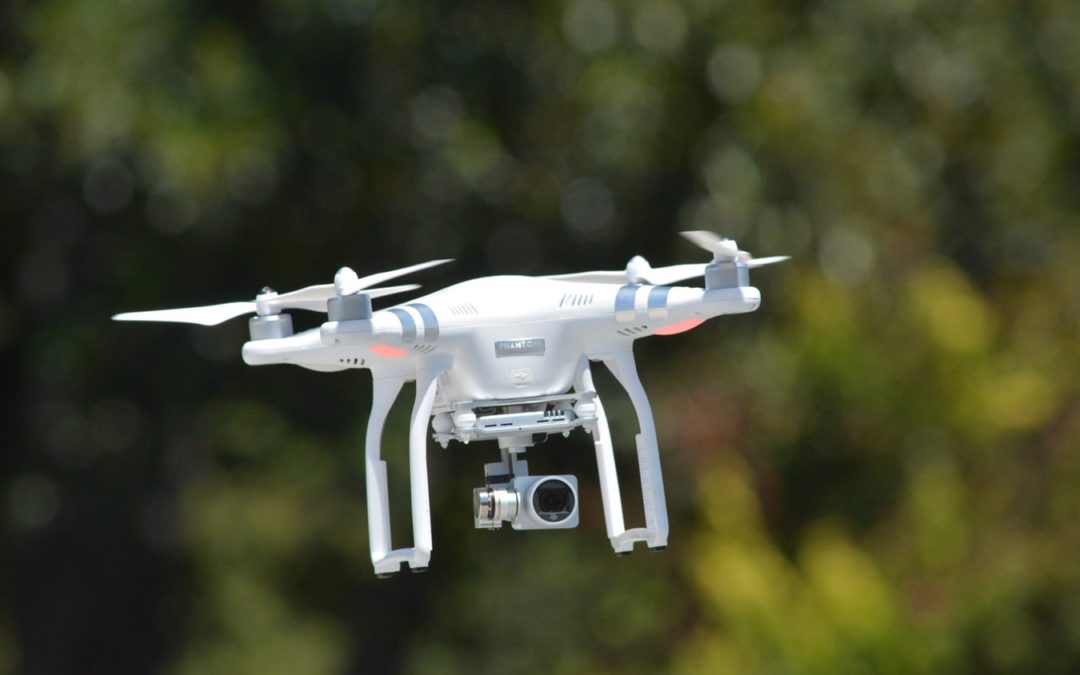
This is especially true because consumers are predisposed to embrace the benefits of "replicants": eight out of ten (80%) expect to accept delivery of a product by drone or autonomous vehicle, the same proportion that say they will use a smart assistant to shoponline. The figure is practically the same (81%) for those who expect to interact with chatbots, as well as (78%) for those who expect to use an augmented, virtual, or mixed reality application. Consumers definitely do not seem to be afraid of technology, even for advanced entertainment uses, as more than half (56%) expect to "visit" remote locations or experience vacation and entertainment events through mixed reality devices. And not by 2030, but sooner: 2025.
The new holy grail: privacy
"Companies will have to strike a delicate balance between providing highly empathetic human experiences and the instant results consumers expect," says Futurum Research founding partner Daniel Newman. "Technology will be the bridge, as data, analytics, machine learning, and artificial intelligence will enable machines to deliver this balance in a more humanistic way that satisfies customers and delivers greater efficiency to the business."
So where does this imbalance between the expectations of companies and users on the one hand, and the perceptions of the former about the latter on the other, lie? Perhaps in a word that is becoming increasingly important: privacy. Just over half of consumers (54%) trust brands to keep their data private. What's more, three-quarters (73%) believe that the use of their personal data is "out of control."
The challenge lies in balancing this growing demand with a customer experience based precisely on the wealth of user data. It is time to invest in trust: why the data is requested, for what explicit purposes, and with the greatest possible transparency. And the challenge is not easy, as the vast majority of companies (84%) say they are concerned about changes in government regulations regarding privacy, as well as their own willingness to comply with them.
Major investments for the 2030 scenario
However, challenges cannot halt technological development if we want to keep up: what 'futuristic' technologies are being invested in today to guide new customer experiences? How are companies preparing for this 2030 scenario? On the one hand, in line with customer behavior expectations: investing in artificial intelligence assistants, according to 62% of the firms contacted; on the other hand, in line with the need to maintain market share, through voice-based artificial intelligence assistants, with the aim of improving customer engagement strategies and as a customer service asset. Augmented and virtual reality (AR/VR) are not far behind, with 54 percent of brands investing in them. But the big agreement on investments, who could have imagined, is for holographic technology for in-store advertising, interactive games, and public events, which has been approved by no less than 83 percent of companies.
"The new authorized buyer is capitalizing on emerging technologies and putting tremendous pressure on the technological needs of marketing organizations," said Wilson Raj, global director of SAS Customer Intelligence. "For CMOs, these forces create a 'moving target' problem: it's difficult to gain an advantage in something that is constantly advancing. And this is problematic because consumers expect 'always-on' access and service and interact with a brand on their terms.
"Building loyalty is a critical component of brand growth, and over the next 10 years we will see an increase in nuance and complexity beyond the traditional matrix of price, quality, and service that has long been at the heart of loyalty propositions," Newman concludes. This is not something new, because it is already happening. But the phenomenon is set to multiply inexorably over the next decade.
Photo on Unsplash by Aniel González