
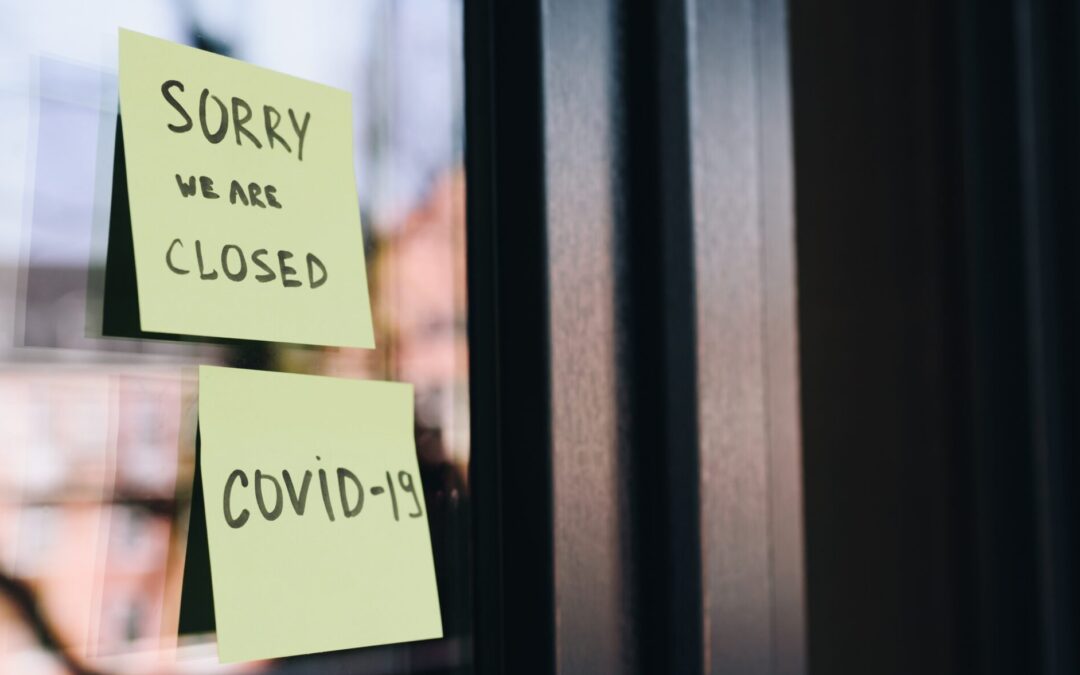
For approximately two years, customer/traveler behavior has changed. In the food sector, online purchases of household products, etc., the impact has been positive due to increased consumption. Of course, in companies with loyalty programs, the figures also increased both in terms of the number of cardholders (new captive customers) and the number of points issued or cashback through payment methods such as American Express and VISA.
On the contrary, all programs related to the travel sector, both at the business and leisure levels , decreased to "technical stoppage" levels. No cardholder would generate transactions, so the issuance of points/miles, redemption of points/miles, or discounts on products in the same sector, among others, were frozen.
The conclusion reached in these two types of business was that, in the case of programs in sectors considered essential (food, etc.), they should be updated with a focus on online communication and the development of attractive websites that offer customers incentives to join the program, as well as activation and repetition mechanisms. Gamification has been one of the most innovative proposals and is here to stay. It is true that the volume of transactions skyrocketed, but if we look at the accounting, redemption was also impacted as customers had the time to use their rewards by exchanging them for products from the same company. Some organizations were not prepared for this increase in the use of benefits, resulting in higher than expected costs in the budgets associated with the program.
 On the contrary, travel sector programs had to consider a renewal of their conditions, since one of the pillars of loyalty, the levelswere disrupted when they were unable to meet the requirements to maintain them, e.g., gold customer, minimum 50 nights per year, in the case of a hotel company. The big players in both the hotel and airline industries decided to maintain the levels for up to two and three years so as not to penalize their most loyal customers. The programs that saw movement during this period of the pandemic were those that had some kind of agreement with companies in other sectors, e.g., Amazon. Members who had points/miles decided to redeem them for products they could use in their daily lives at home, so their perception of the program was positive as they found it useful.
Taking the above into account and adding a few more factors, it is estimated that 8 out of 10 companies plan to revamp their loyalty programs in the next three years, and according to Gartner research, 1 in 3 companies without a loyalty program will have one by 2027.
MarketsandMarkets forecasts that the global loyalty management market size will grow from $8.6 billion in 2021 to $18.2 billion in 2026.
The most relevant objective reflected in a study conducted by Antavo is to increase customer engagement, indicating that companies want to use loyalty programs as more than just an incentive to generate more sales, and are actively seeking ways to have more points of contact with customers. Customer sentiment supports the assumption that it is worth focusing on engagement: according to Gallup, "customers who are fully engaged represent about 23% in terms of profitability, revenue, and relationship growth over the average customer."
Photo by Anastasiia Chepinska on Unsplash/ Photo by wirestock on Freepik